 What you don’t see can hurt you!
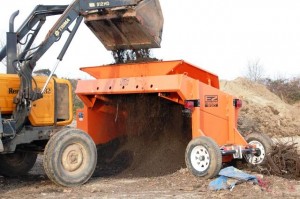
Whether you work in construction, land development, or waste management, properly filtered topsoil is an absolute must to ensure the safety and effectiveness of your workforce. Items that lurk under a topsoil cover can damage your equipment pieces, potentially injure your employees, and bring your work to a screeching halt. The best defenses against what lingers under the surface are topsoil screening machines. These simple rigs effectively filter dirt, reveal, and remove any problematic entity before it has a chance to be a problem.
Over time, undesirable matter can become lodged in topsoil just below the surface. Offensive items can include large rocks, petrified root balls, and of course, human litter. Tin cans, plastic containers, tire irons, and old farm equipment often find themselves in topsoil, which can turn into dangerous missiles or machine killers if rolled over unsuspectingly by a piece of construction equipment. A busted tire due to an old nail or a cut caused by a sharp piece of unseen aluminum can waste time, and of course, time is money. Topsoil screening machines are a simple concept that can eliminate the worry of such unfortunate events.
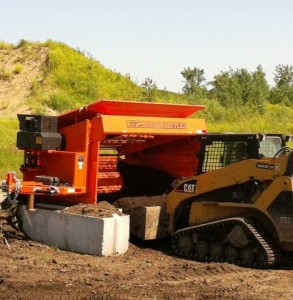 They generally consist of a large and durable metal frame that is elevated anywhere from four feet to six feet high, which is inset at the top by a series of wire mesh screens. The area under the screens may be left open or fitted with a catchall bucket. The screens themselves are generally slanted slightly downwards to allow unwanted debris to run off and collect in a pile in front of the machine. Attached to one side of the frame is a motor that creates a subtle vibration throughout the structure and effectively sifts material through the screen. You may place large loads on the screening machine without issues.
When looking for topsoil screening machines, remember that the most straightforward design is almost always the best. Many topsoil machines include a variety of bells and whistles, like multiple screening chambers, dual vibration motors, and elaborate material organizational buckets that claim to ease the job of screening soil further. However, it is essential to remember that machines that you can optimize with extra parts are ideal, especially heavy-duty machines. Some jobs may require additional bells and whistles, and some might not. Make sure you decide what specific jobs you will be performing with your equipment and plan accordingly with the additional chambers and motors.
Non-motorized screeners are just as effective as motorized ones; however, they are not as efficient.
They typically take longer to sift through material, cannot handle as large loads, and often require a human being to rotate a lever or push the filters back and forth to create the sifting movement. So, while you want one that has as little damage as possible, you also want one that has enough to do a quick and productive job.
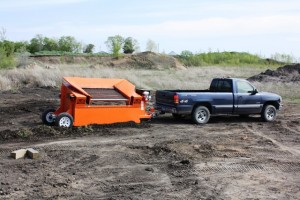 The nice thing about basic motorized topsoil screening machines and portable screening plants is that they are not extremely expensive. Of course, the screening plant is cheaper. But for less than the cost of tractors, you can have a fine, sturdy motorized topsoil screening machine that can give you clean soil and peace of mind. Every minute of productive work is vital in this economic climate, and you don’t want to jeopardize your time because of unseen saboteurs.





Leave a Reply