Picture it. A perfectly seared steak. A mountain of mashed potatoes with a fancy name like "Yukon Gold." A Caesar salad swimming in croutons. Half of it slides straight into the trash. Now multiply that scene by every restaurant in America, and what do you get?
A $162 billion bonfire of cash. With a B. As in "buy a small country" billion.
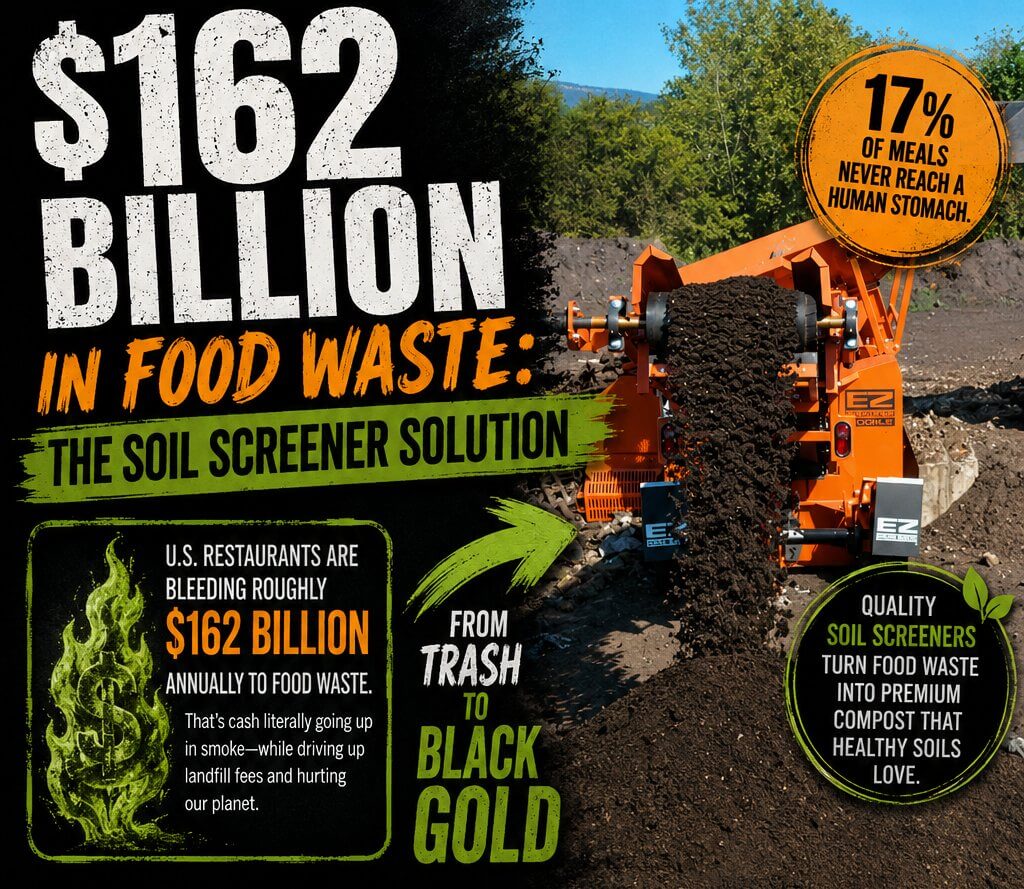
A new report from Georgetown University's Earth Commons Institute — supported by ReFED — has done the painful math. U.S. restaurants are bleeding roughly $162 billion annually to food waste. About 17% of meals never reach a human stomach. And here's the spicy part: nearly 70% of that waste comes straight from diners' plates, abandoned with a heroic "I couldn't possibly eat another bite."
Where Does All That Wasted Food Go?
Let's follow a half-eaten plate of nachos. Waiter clears it. Bin. Dumpster. Truck. Landfill. There it sits, festering and burping out methane like an unhappy uncle after Thanksgiving dinner—while simultaneously driving up sky-high landfill fees for the waste haulers and municipalities stuck dealing with it.
The numbers are wild. U.S. restaurants generate between 22 and 33 billion pounds of food waste a year. The average restaurant wastes 4–10% of everything it buys. And a staggering 84% of unused restaurant food gets tossed with no attempt at donation, recycling, or composting.
"Cool — But What Does This Have to Do With Soil Screeners?"
Glad you asked. Pull up a chair.
Food waste doesn't have to die in a landfill. It has a much better encore: food waste composting. When restaurants and haulers divert scraps to commercial composting facilities, that gnarly pile transforms into one of the most valuable substances on Earth — dark, crumbly, nutrient-loaded compost. The kind gardeners get emotional about.
But raw compost is messy. It's full of stones, sticks, plastic bits, and the occasional fork nobody wants to talk about. Before it hits the market, it has to undergo rigorous material separation.
A quality soil screener (or compost screener) sifts finished compost into clean, fine, market-ready material. Oversized chunks go back to keep cooking. The good stuff heads out as a premium soil amendment that yields a massive return on investment (ROI) for facility operators. Without solid screening equipment, rescued food waste would still be a far cry from the kind of soil farmers and landscapers actually want to buy.
Translation: topsoil screeners are the final boss battle in the war on food waste.
Turning Trash Into Black Gold
ReFED estimates surplus food in the U.S. was worth $382 billion in 2023. Capturing even a slice for composting means less methane, healthier soil, lower hauling fees for restaurants, and — bonus — sustainability bragging rights that nearly three-quarters of diners actually care about.
What Restaurants Can Do Today
Right-size portions. Smaller portions cut plate waste without hurting satisfaction.
Use inventory software. Only 42% of restaurants do. The other 58% are running on vibes.
Donate what you can. Just 12% of donation-eligible food currently gets donated.
Compost the rest — and partner with facilities running a commercial compost screening machine to ensure the end product is clean, profitable, and ready for market.
The Bottom Line
Next time a half-eaten cheeseburger slides into the trash, remember that's a crumb of a $162 billion problem. But the story doesn't have to end at the dumpster. With smarter portions, donation programs, and quality soil screeners turning compost into garden gold, food waste can flip from villain to hero faster than you can say "soup of the day."
The right screening equipment isn't just machinery. It's how the world's most wasted resource becomes a highly profitable commodity — one screen at a time.





Leave a Reply