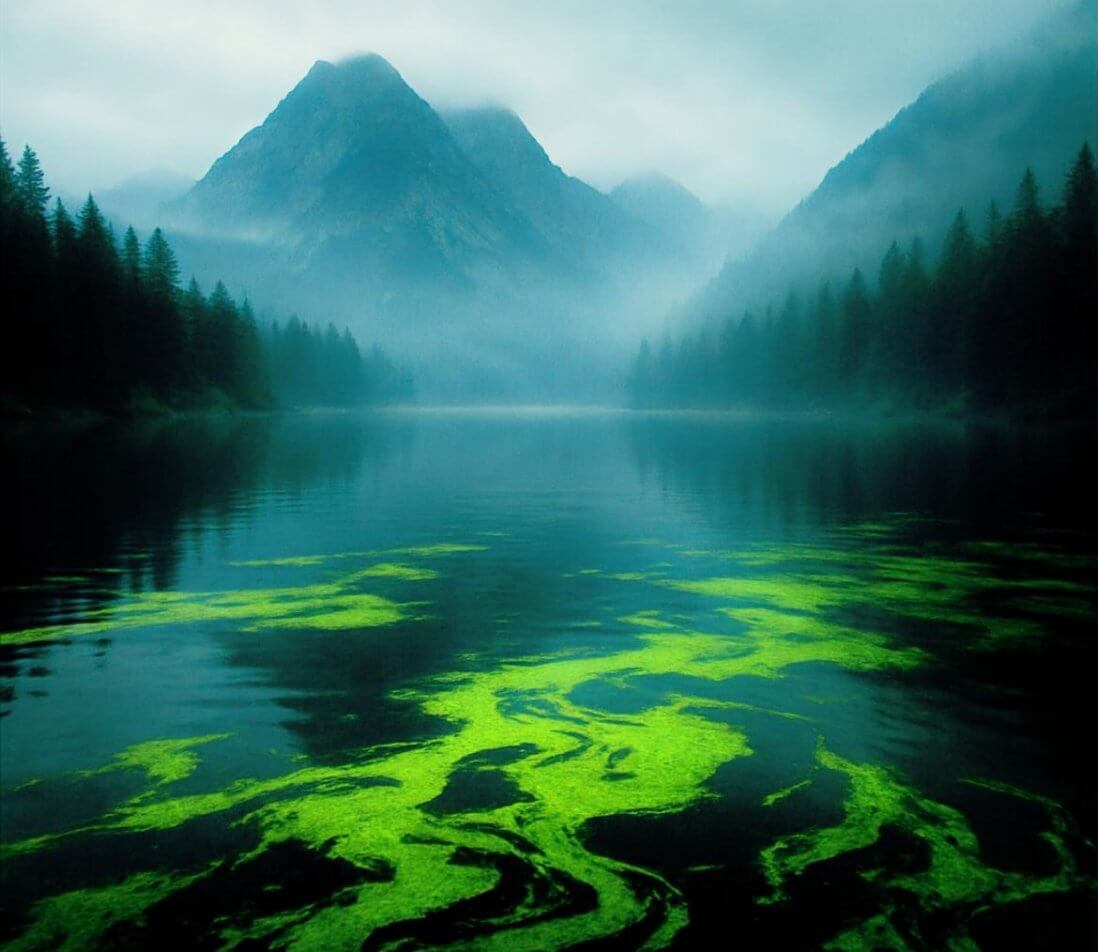
Picture this: You're ready for a refreshing summer swim in Istanbul's beautiful Sea of Marmara. You pack your beach towel, slather on sunscreen, and head to the coast. But wait – what's that floating in the water? Is it seaweed? Nope. Is it pollution? Well, kind of. Ladies and gentlemen, meet "sea snot" – the uninvited guest that's turning Turkey's smallest sea into the world's largest petri dish.
The Slime That Ruined Summer
Let me paint you a picture that'll make your backyard above-ground pool look like a luxury resort. The Sea of Marmara, which wraps around Istanbul like a watery embrace, has been dealing with a mucilage outbreak that makes your worst hair day look manageable. This gooey, sticky mess – affectionately dubbed "sea snot" by locals who clearly have a sense of humor about their misfortune – is basically what happens when algae decide to throw a rager and nobody cleans up afterward.
Koenraad Marinus van Lier, an artist living on car-free Burgazada island, used to start his mornings with invigorating swims. Now? He's landlocked faster than you can say "ew." The poor guy went from doing the backstroke to doing the backstep away from the water's edge.
The Science Behind the Snot
Here's where things get interesting (and by interesting, I mean absolutely horrifying). Professor Mustafa Sarı breaks down the perfect storm of factors creating this aquatic nightmare:
Factor #1: Climate Change – The Sea of Marmara is running a fever. We're talking 2.5°C warmer than it should be. That's like your hot tub accidentally getting turned up to "lobster boil" setting.
Factor #2: Nature's Design Flaw – The sea is basically a poorly mixed cocktail. Fresh water from the Black Sea floats on top of salty Mediterranean water like oil and vinegar in your salad dressing. This creates perfect hiding spots for mucilage to lurk beneath the surface, plotting its next appearance.
Factor #3: The Human Touch – Here's the kicker: 25 million people live around this aquatic bathtub, and half their waste goes straight into the water without treatment. Add 70% of untreated industrial and agricultural waste, and you've got yourself a recipe for disaster that would make Gordon Ramsay weep.
The Underwater Horror Show
Tahsin Ceylan, who's been diving these waters since 1985, has witnessed the catastrophe firsthand. His underwater photos look like something from a sci-fi horror film – imagine spider webs made of snot wrapping around everything on the ocean floor. It's basically nature's way of saying, "You know what? I quit."
The mucilage doesn't just float prettily on the surface like lily pads. Oh no. It creates a suffocating blanket that chokes out marine life faster than you can say "environmental disaster." Fish eggs, larvae, mussels, corals – they're all getting the slime treatment, and spoiler alert: they're not enjoying the spa day.
The Clean-Up Crew (Or Lack Thereof)
In 2021, after the mucilage made international headlines (because nothing says "visit Turkey" like photos of floating slime), authorities unveiled the Marmara Sea Action Plan. Twenty-two recommended actions! Monitoring! Awareness campaigns! Protected areas! Three years later? The implementation rate has improved by a whopping... 0.7%. At this rate, the sea will be clean by approximately never.
The Marmara Municipalities Union diplomatically states that "achieving the plan's full set of targets remains challenging." That's like saying climbing Everest in flip-flops is "somewhat difficult."
DIY Solutions and Grassroots Goop-Fighting
Not everyone's sitting idle while the sea turns into nature's lava lamp. One professor is creating "floating islands" to naturally clean the pollution – basically giving the sea its own Roomba. Meanwhile, the Women Change Makers of Marmara are petitioning for action, because sometimes you need to channel your inner angry parent to get things done.
Pro tip for the environmentally conscious: Skip the phosphorus-laden detergents. Your clothes will still get clean, and you won't be contributing to the algae's all-you-can-eat buffet.
The Plot Thickens (Literally)
Here's the real kicker: The mucilage is spreading faster than gossip at a small-town barbecue. Zafer Murat Çetintaş warns that it's creeping through the Bosphorus Strait (literally Istanbul's "throat" in Turkish) toward the Black Sea. Talk about a sore throat of epic proportions.
The recent sediment cleaning in the Gulf of Izmit offers a glimmer of hope, like finding a clean spoon in a sink full of dirty dishes. But as van Lier poetically puts it, what we see on the surface is just the tip of the slimeberg. The real mess lurks below, making the visible gunk look like a minor inconvenience.
The Bottom Line
As summer temperatures rise and tourists flock to Istanbul's beaches, they might be in for a surprise stickier than Turkish delight. The sea that once offered refreshing relief from the heat now serves as a cautionary tale about what happens when we treat our natural resources like a giant disposal unit.
Van Lier's lament echoes across the water: "I want to be in the water," he says, "but the sea is dying." And he adds the phrase that should wake us all up: "I'm afraid we're already too late."
So next time you're screening topsoil or managing waste on your property, remember Istanbul's plight. Because whether you're dealing with dirt, gravel, or marine ecosystems, one thing's crystal clear: What goes around, comes around – sometimes in the form of giant globs of sea snot.
Want to do your part in keeping our waters clean? Start with proper waste management and screening on your own property. Because nobody wants their local swimming hole to turn into the next mucilage metropolis!





Leave a Reply